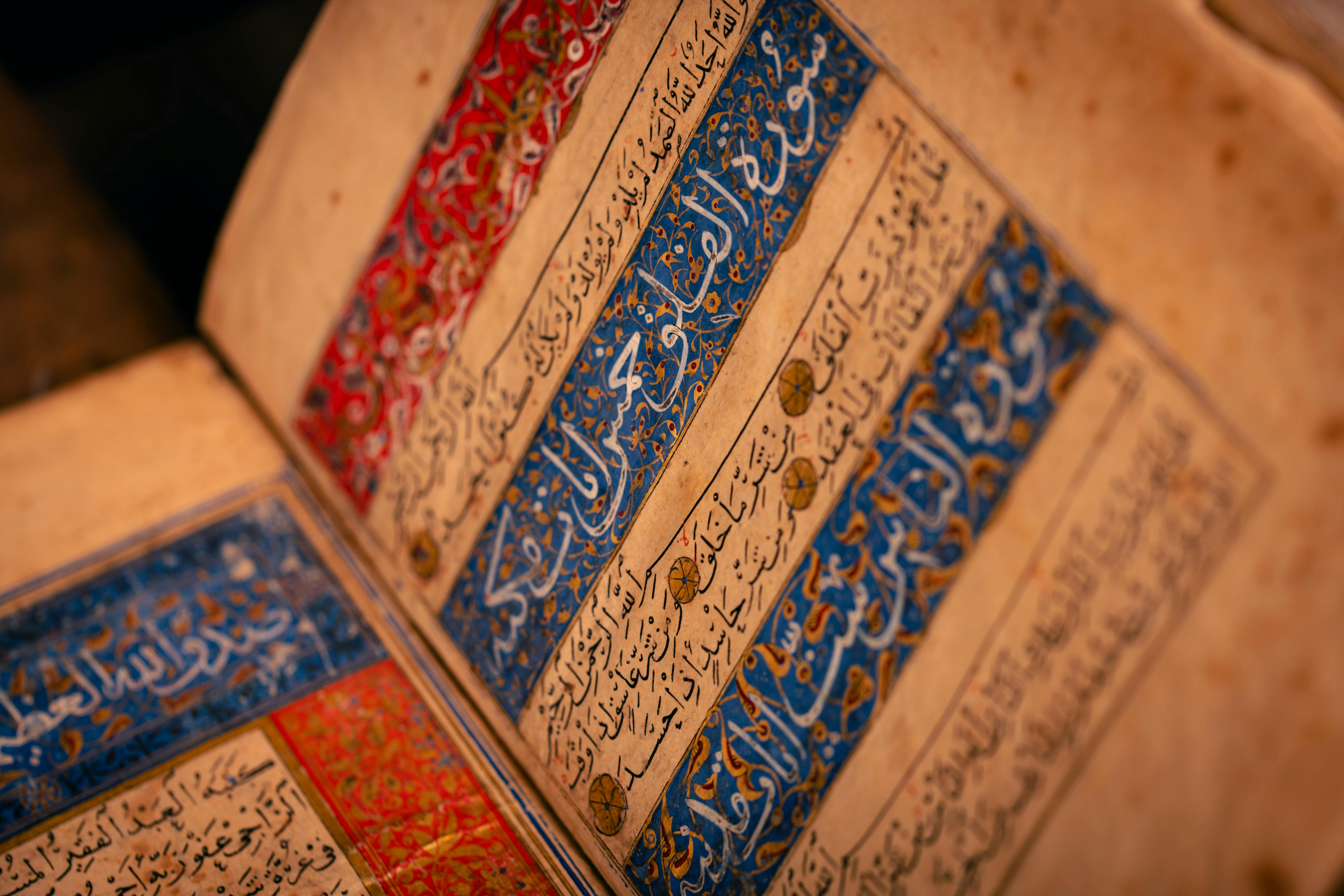
c. 1050 – 300 BCE · Levant — Tyre, Sidon, Byblos
Phoenician Abjad
The mother of every alphabet
Twenty-two consonants pressed into clay and stone by seafaring traders. From it descend Hebrew, Aramaic, Greek, Latin, Cyrillic, and the Latin alphabet you are reading right now.
Table of Contents
Begin reading →- 01The Phoenician Abjad — Twenty-Two Letters That Conquered the World4mKeeper's
- 02The Inscriptions — Eshmunazor, Pyrgi, and the Phoenician Gods4mKeeper's
- 03Carthage and the Punic Empire — The Other Phoenician Civilization6mKeeper's
Primary — authentic public-domain translation · Keeper's — interpretive synthesis authored for this app
The Trader's Script
Phoenician sailors carried this 22-letter abjad from Cádiz to Cyprus. It was the first true alphabet — radically simpler than Egyptian hieroglyphs or Akkadian cuneiform, and learnable by merchants, not just priests.
The Greek Adoption
Around 800 BCE Greeks borrowed it, repurposing some consonants as vowels (Α/Ε/Ι/Ο/Υ). That single innovation — vowels — made literacy a mass phenomenon for the first time in history.
The Tree
Phoenician → Greek → Etruscan → Latin → every Western European alphabet. Phoenician → Aramaic → Hebrew, Arabic, Syriac, Brahmi → Devanāgarī, Tibetan, Thai. One ancestor for nearly all modern scripts on earth.
Alphabet · Glyphs
Tap to hear