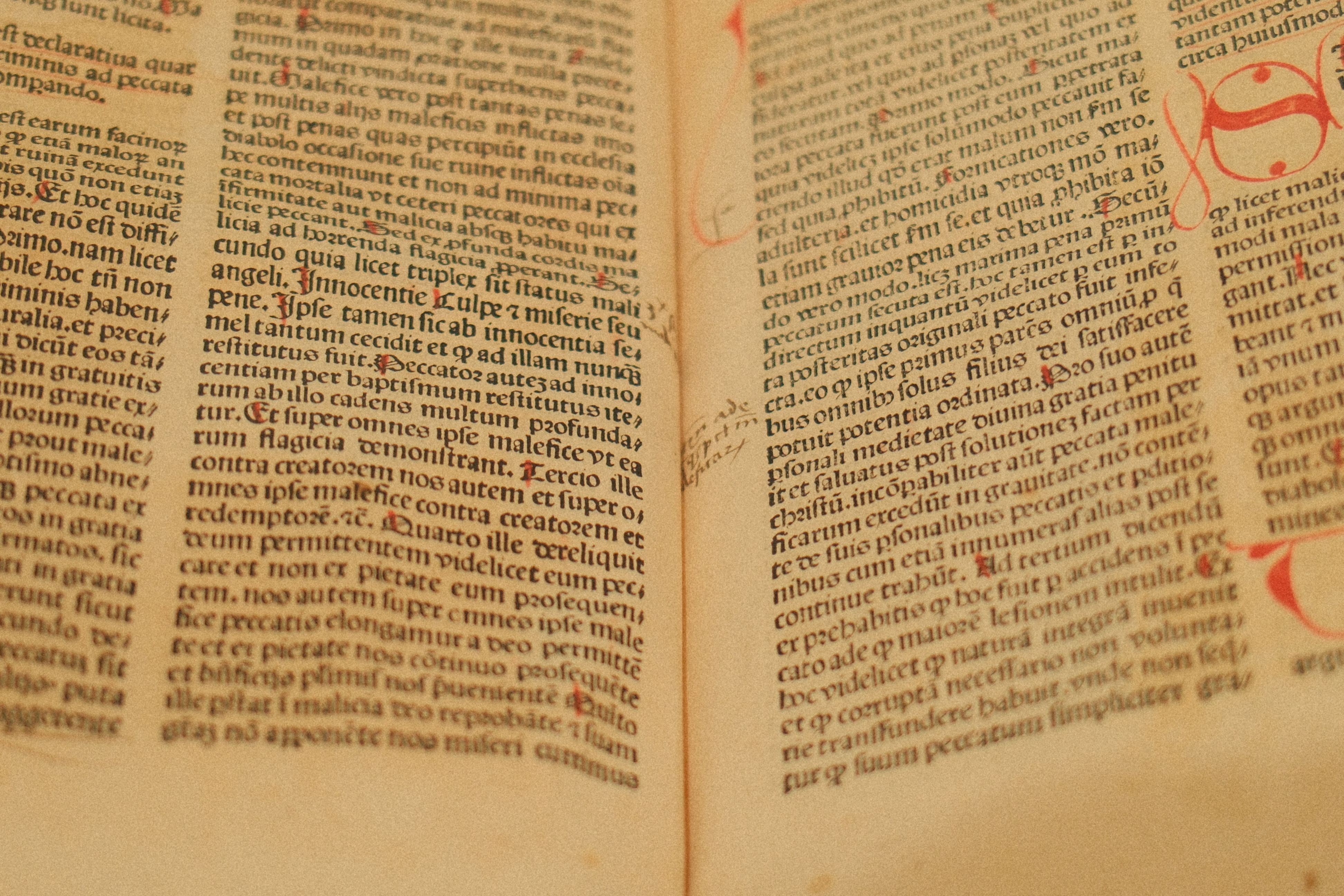
1st – 3rd c. CE (Greek originals); rediscovered 1460 · Greco-Egyptian Alexandria
Corpus Hermeticum
The revelations of the Thrice-Greatest
Seventeen Greek treatises attributed to Hermes Trismegistus — Hermes the Thrice-Greatest, syncretism of Thoth and Hermes. The Hermetica are the philosophical headwaters of every Western mystical tradition that follows: alchemy, Kabbalah's outer schools, the Picatrix, the Rosicrucians, Jung.
Table of Contents
Begin reading →- 01The Kybalion — Introduction6mPrimary
- 02The Hermetic Philosophy7mPrimary
- 03The Seven Hermetic Principles12mPrimary
- 04Mental Transmutation6mPrimary
- 05The All8mPrimary
- 06The Mental Universe9mPrimary
- 07The Divine Paradox13mPrimary
- 08'The All' in All12mPrimary
- 09The Planes of Correspondence17mPrimary
- 10Vibration8mPrimary
- 11Polarity8mPrimary
- 12Rhythm9mPrimary
- 13Causation10mPrimary
- 14Gender7mPrimary
- 15Mental Gender14mPrimary
- 16Hermetic Axioms8mPrimary
- 100Pymander — Book I7mPrimary
- 101Pymander — Book II8mPrimary
- 102Pymander — Book III2mPrimary
Primary — authentic public-domain translation · Keeper's — interpretive synthesis authored for this app
Poimandres
The first treatise: Hermes, in deep contemplation, is visited by a vast luminous being who calls himself Poimandres, 'Shepherd of Men.' He shows Hermes the creation of the cosmos, the fall of Man from divine archetype into matter, and the return through gnosis. Every later Hermetic text echoes this opening.
As Above, So Below
The Emerald Tablet (Tabula Smaragdina), a short Hermetic axiom translated from Arabic in the 12th century, distills the whole into one line: 'That which is above is like to that which is below, and that which is below is like to that which is above, to accomplish the miracles of the One Thing.' It became the master key of Western alchemy.
The 1460 Translation
When Cosimo de' Medici acquired a Greek manuscript of the Hermetica in 1460, he ordered Marsilio Ficino to pause his Plato translation and tackle the Hermetica first — believing it older and more divine. Ficino's Latin Pimander (1471) lit the fuse of the Renaissance occult revival.
The Hermetic Lineage
From Ficino it passed to Pico della Mirandola, Giordano Bruno, John Dee, Robert Fludd, the Rosicrucian manifestos (1614), the 18th-century Masonic degrees, the 19th-century Hermetic Order of the Golden Dawn, and into modern depth psychology through Carl Jung — who declared the alchemy he studied his entire life 'the unconscious as it expressed itself in projection upon matter.'
The Seven Hermetic Principles
Codified in The Kybalion (1908) by 'Three Initiates': Mentalism (All is Mind); Correspondence (as above, so below); Vibration (nothing rests); Polarity (opposites are identical in nature); Rhythm (everything flows in tides); Cause and Effect (nothing happens by chance); Gender (everything has masculine and feminine principles). A modern summary — but the doctrines are genuinely in the texts.
Alphabet · Glyphs
Tap to hear